




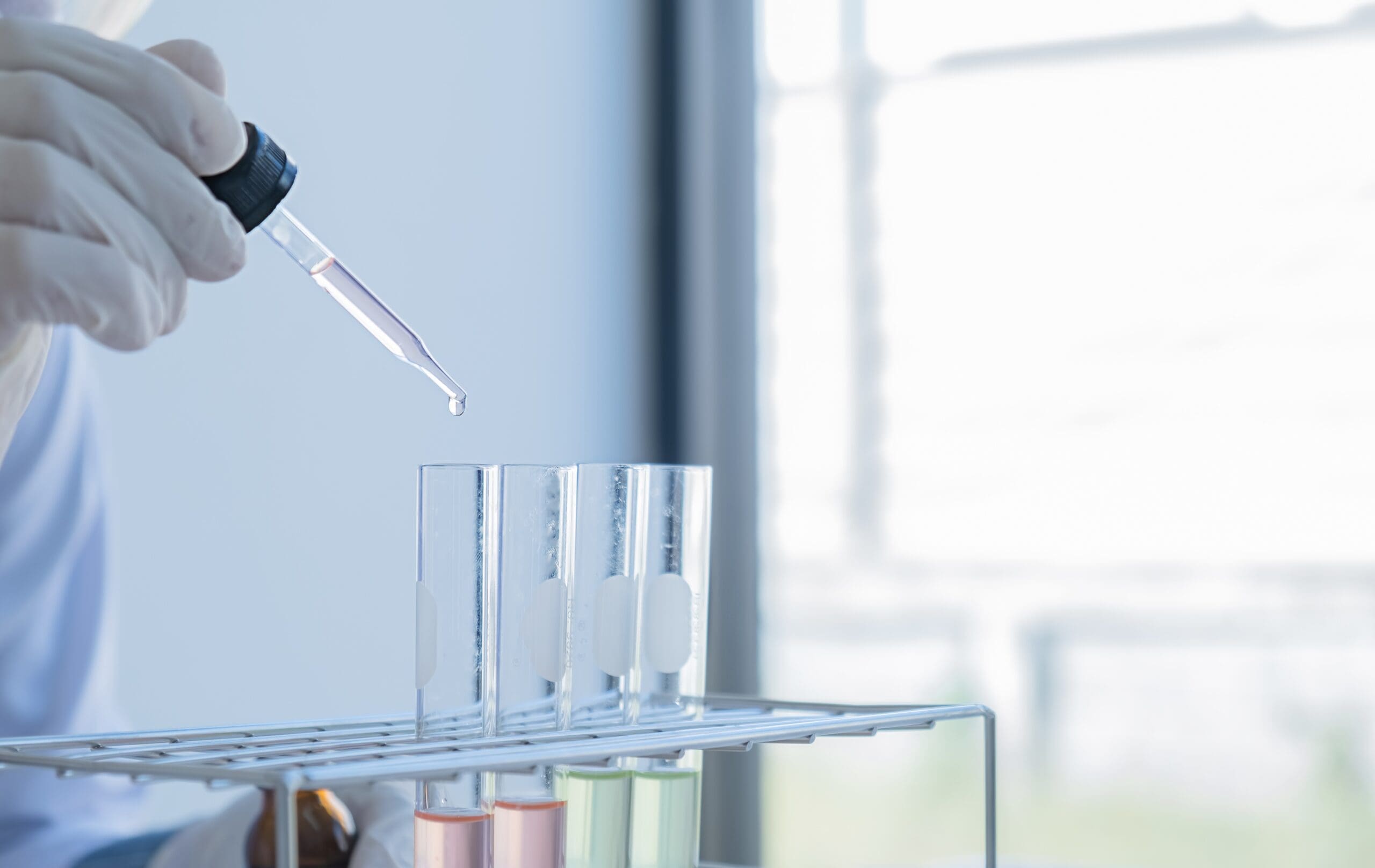
Developing a cosmetic formula alone is not sufficient to place a product on the Turkish market. Manufacturers must also demonstrate that their products are safe for human health and comply with applicable regulatory requirements. Laboratory testing plays a critical role in this process.
Under the Turkish Cosmetics Regulation, different tests may be required depending on the product type, intended use, and formulation. For imported cosmetic products in particular, having complete laboratory testing documentation is essential during the preparation of the Product Information File (PIF).
In this article, we examine the most commonly requested laboratory tests that are important for cosmetic compliance in Türkiye.
Why Are Laboratory Tests Necessary for Cosmetic Products?
Laboratory testing is conducted to:
- Demonstrate the microbiological safety of the product
- Verify formulation stability
- Assess compatibility between the product and its packaging
- Support shelf-life claims
- Support the Cosmetic Product Safety Assessment Report
- Demonstrate compliance with the Turkish Cosmetics Regulation
These tests provide important scientific evidence that must be included in the Product Information File before a product is placed on the market.
The Most Commonly Required Cosmetic Product Tests
1. Microbiological Analysis
Microbiological testing determines whether harmful microorganisms are present in the product.
It is particularly important for:
- Creams and lotions
- Shampoos
- Eye-area products
- Baby cosmetics
- Water-based formulations
The following parameters are typically evaluated:
- Total bacterial count
- Yeast and mold analysis
- Pathogenic microorganism screening
Microbiological compliance is one of the key indicators of product safety.
2. Preservative Efficacy Test (Challenge Test)
A Preservative Efficacy Test evaluates whether the preservative system used in a cosmetic product is effective.
During the test, the product is deliberately inoculated with microorganisms, and its ability to suppress microbial growth over a specified period is assessed.
This test is especially important for:
- Water-containing products
- Cosmetics used over an extended period after opening
- Products packaged in jars
An ineffective preservative system may pose a risk to consumer health.
3. Stability Testing
Stability testing evaluates whether a product can maintain its physical, chemical, and microbiological properties throughout its intended shelf life.
The study typically examines:
- Temperature fluctuations
- Humidity conditions
- Light exposure
- Formula changes over time
Based on stability testing, manufacturers can establish:
- Expiration date
- Period After Opening (PAO)
- Recommended storage conditions
4. Packaging Compatibility Testing
Packaging compatibility testing assesses whether the packaging material negatively affects the cosmetic product.
Examples of issues evaluated include:
- Migration of substances from plastic packaging
- Color changes
- Odor deterioration
- Formula separation
- Leakage problems
This testing is particularly important for products using imported packaging materials.
5. Dermatological Testing
Some cosmetic products include claims such as “dermatologically tested.”
To support such claims, tests may include:
- Skin compatibility studies
- Patch testing
- Sensitive skin testing
Although not mandatory for every product, dermatological testing is important for substantiating marketing claims.
6. SPF and Sun Protection Testing
SPF testing is essential for sunscreen products.
If a product makes claims such as:
- SPF 30
- SPF 50
- UVA/UVB protection
These claims must be supported by laboratory testing.
Otherwise, the product may be considered misleading.
7. Heavy Metal and Chemical Analysis
Certain product categories may require heavy metal testing.
This is particularly relevant for:
- Lipsticks
- Eye makeup products
- Children’s cosmetics
- Color cosmetics
Heavy metals such as lead, arsenic, and mercury are assessed to ensure compliance with established limits.
Are the Same Tests Required for Every Cosmetic Product?
No. Required testing depends on several factors, including:
- Product type
- Formulation composition
- Intended use
- Target consumer group
- Packaging type
- Product claims
For example, the testing requirements for a perfume differ significantly from those for a baby cream.
For this reason, each product should undergo an individual technical assessment.
How Does the Cosmetic Testing Process Work in Türkiye?
The process generally includes:
- Formula assessment
- Identification of required laboratory tests
- Testing by accredited laboratories
- Inclusion of test reports in the Product Information File (PIF)
- Completion of the safety assessment process
- Preparation for UTS notification and market placement
Incomplete or inadequate testing may create significant compliance risks during market entry.
Laboratory testing is not merely a technical formality; it is one of the fundamental pillars of cosmetic product safety. Selecting the appropriate tests based on the product type and formulation is critical for both regulatory compliance and consumer protection.
For domestic and international cosmetic brands seeking access to the Turkish market, planning laboratory testing with expert guidance can help ensure a faster, smoother, and more compliant market entry process.